
Global Health Research Speaker Series
Learn about a new global health topic at our quarterly Research Speaker Series.

Learn about a new global health topic at our quarterly Research Speaker Series.
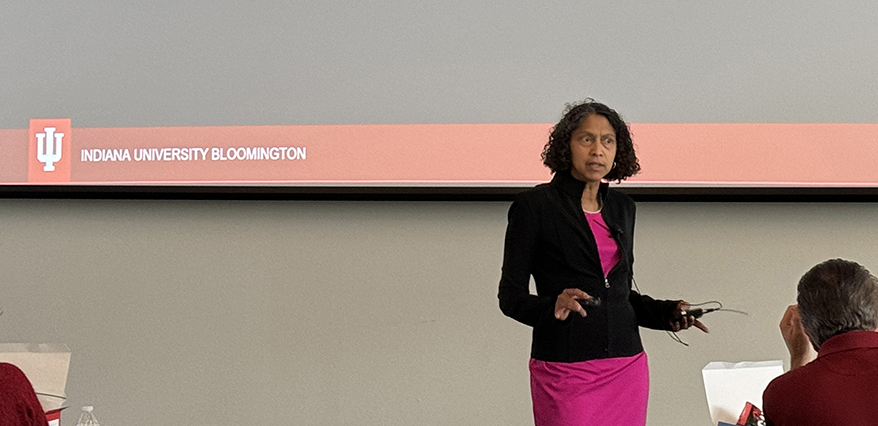
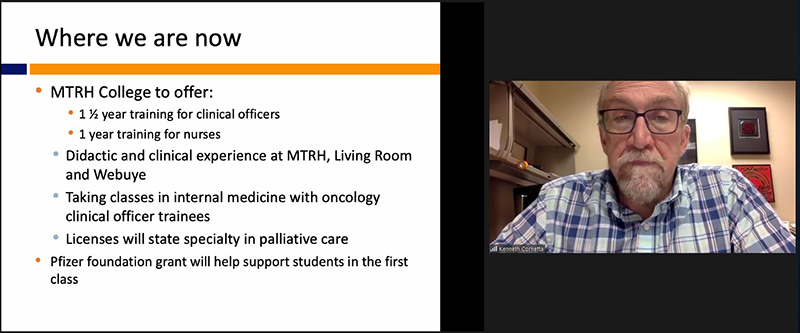

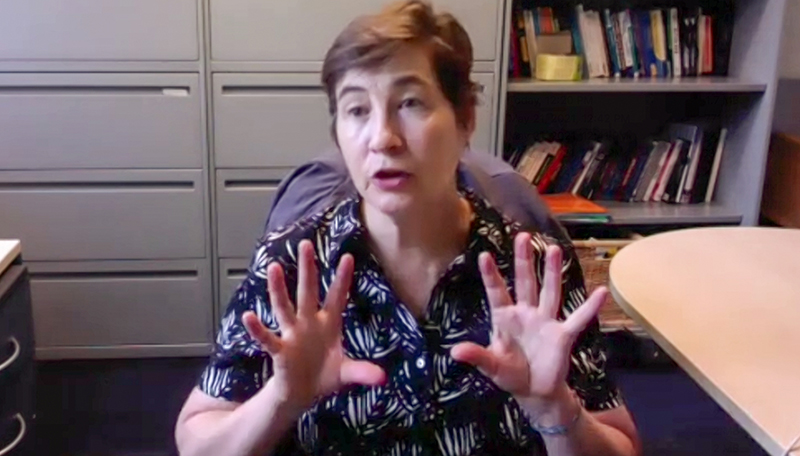


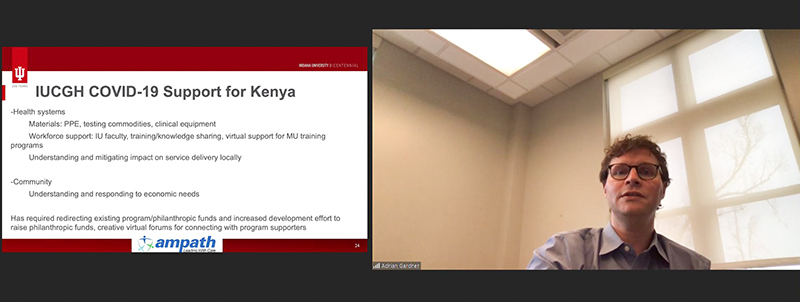
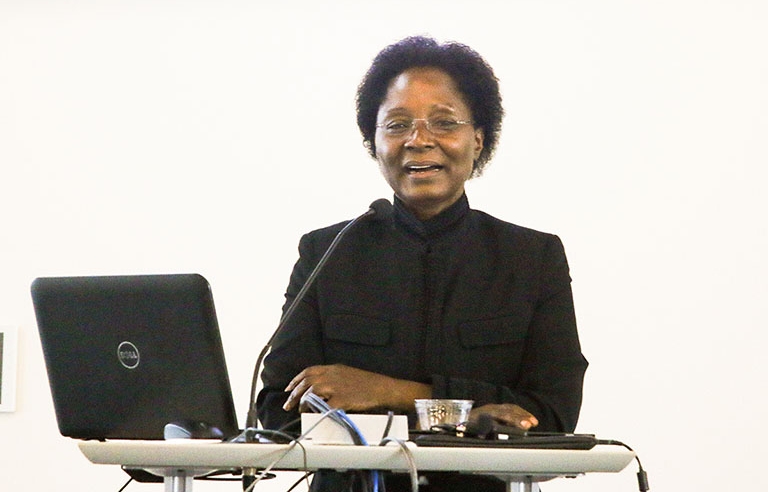
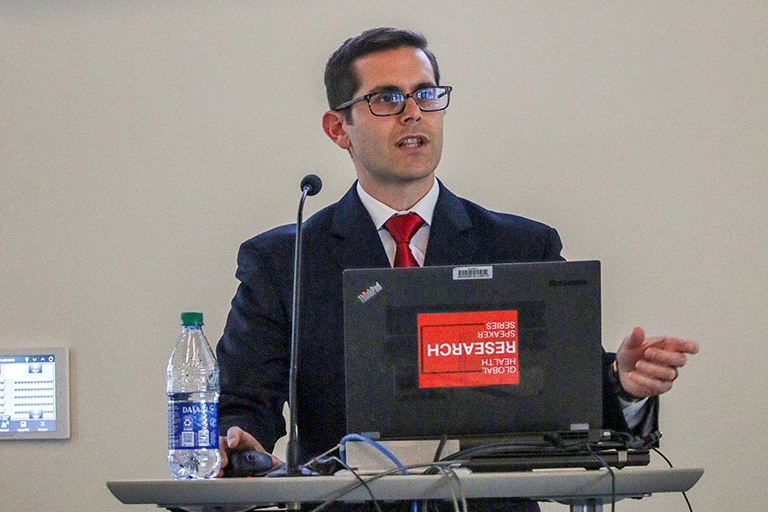
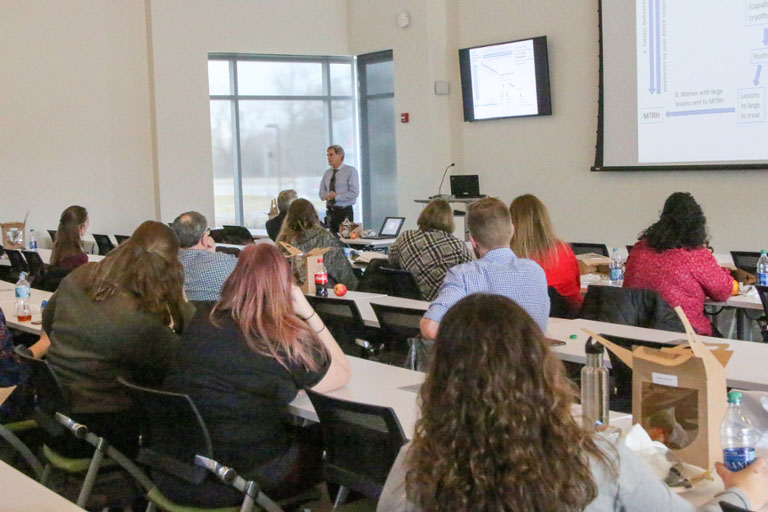
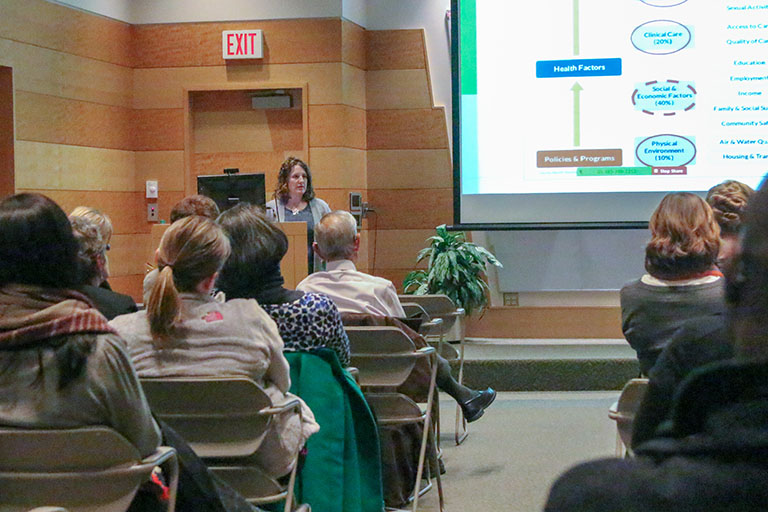
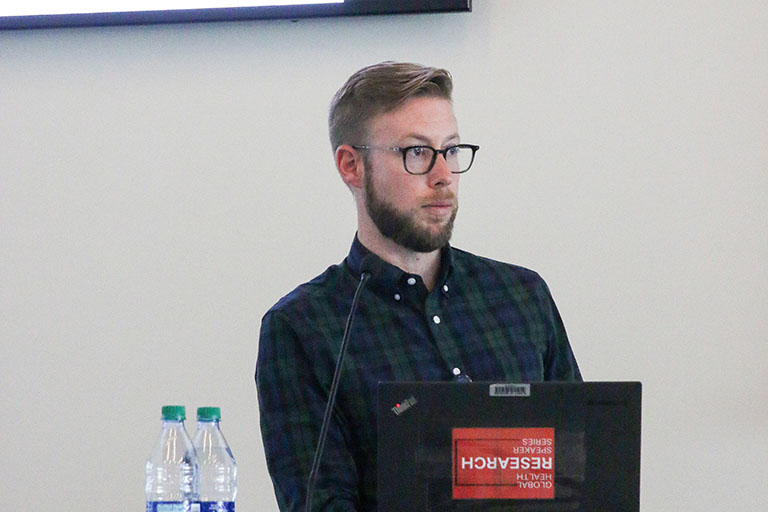
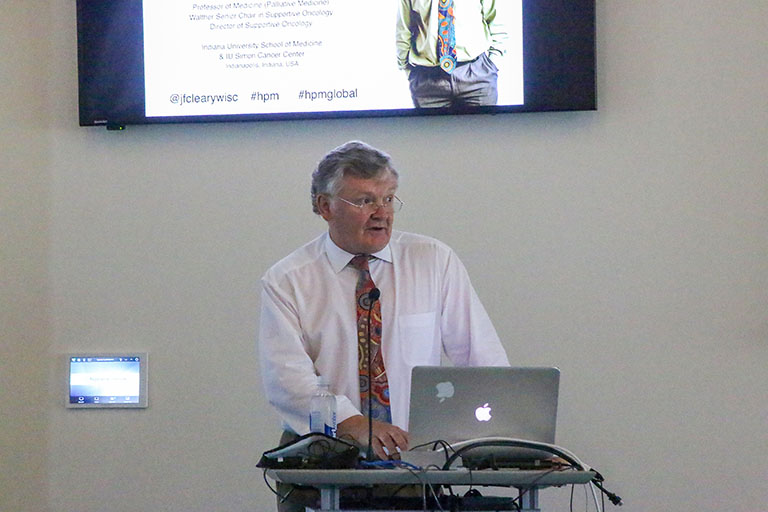
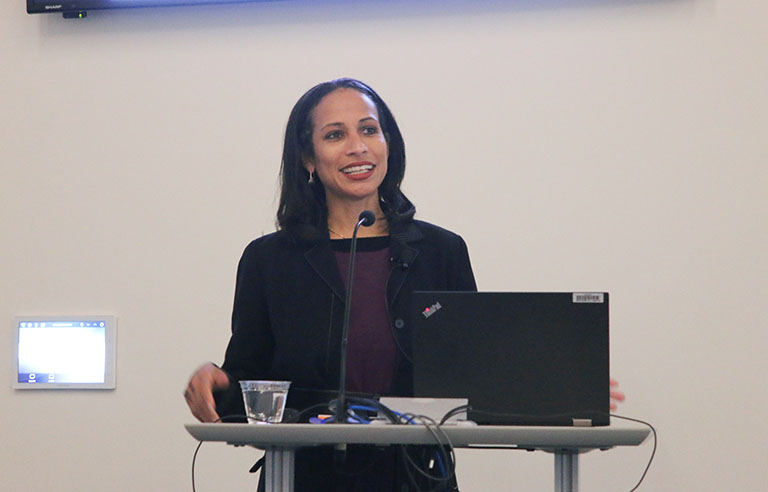
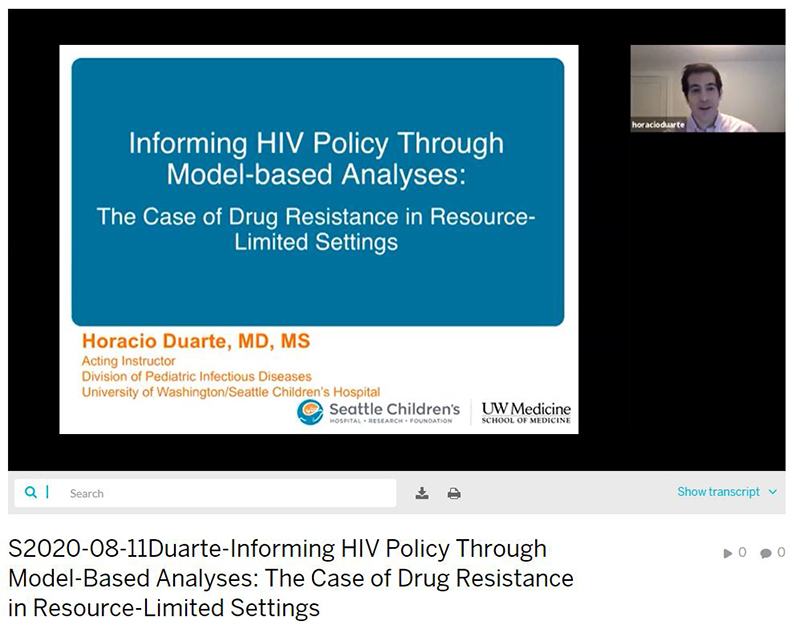
The Global Health Research Speaker series welcomes four IU Center for Global Health affiliated faculty members for our quarterly events at the Regenstrief Institute.

Dibyadyuti Datta, MS, PhD (IU School of Medicine)
Dr. Datta's research focuses on two key areas: (1) identifying biomarkers that predict long-term neurodisability in cerebral and non-cerebral severe malaria, as well as other childhood CNS disorders relevant to malaria-endemic regions, including traumatic brain injury (TBI) and (2) investigating the mechanisms of blood-brain barrier dysfunction in cerebral malaria. Using clinical samples from prospective pediatric cohorts of children alongside a pluripotent stem cell-derived in vitro model of the neurovascular unit (NVU), ongoing studies aim to uncover mechanisms of NVU damage that may lead to lasting neurological consequences in childhood survivors of cerebral malaria.
Current projects in the lab are focused on mapping metabolic alterations in the CNS using clinical samples and characterizing the cellular metabolic profile of the NVU in vitro following exposure to malaria-infected red blood cells. These studies seek to identify host metabolic pathways contributing to parasite-mediated BBB disruption and NVU damage, intending to discover potential therapeutic targets. A recently completed pilot pediatric TBI study in Uganda assessed critical healthcare gaps, fostered key collaborations, and helped recruit and train personnel to establish the infrastructure for sustained pediatric TBI research. Ongoing analysis from this study will inform future multidisciplinary collaborations aimed at improving standards of care and rehabilitation strategies for children with TBI, ultimately working to prevent or mitigate long-term neurodisability.
Tesfaye Mersha, MS, PhD (IU School of Medicine)
Dr. Mersha is director of the Precision Pulmonary Medicine research program and the James A. Caplin Professor of Pulmonary Research at Indiana University School of Medicine. Dr. Mersha's career in genetics and research began with an interest in understanding the interplay between biology and the environmental conditions that contribute to disease. Over time, he has broadened his research interests to include genomics, genetic ancestry, racial disparities, personalized medicine and bioinformatics. One of Dr. Mersha's areas of expertise is multi-omics (genomics, epigenomics, transcriptomics, microbiome, proteomics and metabolomics). For more than 10 years, he has worked to integrate multi-omics with statistical genetics and bioinformatics methods to uncover the molecular architecture of medical conditions, such as asthma and asthma-related allergic diseases. Dr. Mersha's lab performs a variety of computational and applied data analysis projects, including the development of statistical and genome informatics tools that enable multiethnic admixture, genome-wide association and omics integration studies of biomedical traits. The goal is to develop an in-depth understanding of the intricate interactions between genomic variations and environmental exposure in the etiology of complex diseases — and then translate these findings into clinical practice through collaborations with clinicians.
Cecilia Sem Obeng, PhD (IU School of Public Health-Bloomington)
Dr. Cecilia Sem Obeng is professor in the Department of Applied Health Science and the founding director of the Maternal and Child Health (MCH) program at the Indiana University School of Public Health-Bloomington. She is also the initiator, designer, and sponsor of the first human milk bank in Ghana, which was inaugurated on June 12, 2025. Dr. Obeng's work primarily focuses on maternal and child health, particularly infant feeding (breastfeeding), and the health of immigrant families. She has published several peer-reviewed articles and books on MCH and has given over 100 academic, professional, and scientific presentations on the topic. She has been an invited speaker to talk about breastfeeding at conferences. Dr. Obeng spearheaded the Breastfeeding Scaling Up Project (BSP), which focuses on training the next generation of breastfeeding educators in a public health school. She has several years of research experience conducting community-based breastfeeding research in African-American communities and has facilitated breastfeeding workshops for parents in Indiana. Dr. Obeng has received numerous grants and awards for her work in maternal and child health and qualitative research. Specifically, she has secured ten teaching grants and awards, three awards for mentoring students, one award for her contributions to women's issues, and another for her qualitative research work. Dr. Obeng is the 2025 recipient of the John W. Ryan Award for Distinguished Contributions to International Programs and Studies. She has trained over 150 students in qualitative research methodologies.
Alka Khaitain, MD (IU School of Medicine)
Dr. Khaitan is an associate professor of pediatrics at Indiana University School of Medicine and fellowship program director for the Ryan White Center for Pediatric Infectious Diseases and Global Health. She is a clinician, educator and physician-scientist. Dr. Khaitan is dedicated to diagnosing and managing infectious diseases in children and cares for patients at Riley Hospital on the General and Immune Compromised Pediatric Infectious Diseases Services. She also provides care for patients with childhood infections and children exposed to and living with HIV in the Riley Outpatient Center. In her role as fellowship program director, she is committed to training the next generation of pediatric infectious disease physicians.
Dr. Khaitan’s research focuses on pediatric HIV, immunology and global health. She aims to better understand the role of inflammation and T cell exhaustion in pediatric HIV pathogenesis and long-term outcomes. She is the Principal Investigator of NIH-funded studies focused on immunopathogenesis in Kenyan children with perinatal HIV. Her work highlights early and persistent inflammation and a myriad of other immune disruptions in children with perinatal HIV, despite successful antiretroviral treatment. She has ongoing collaborative studies to identify immune biomarkers of neurodevelopmental outcomes in children with perinatal HIV exposure.
Dr. Khaitan leads the Riley Hospital Multisystem Inflammatory Syndrome in Children (MIS-C) Task Force and serves on the Indiana University COVID-19 Treatment Algorithm Committee. She is a member of the HHS Panel on Antiretroviral Therapy and Medical Management of Children Living with HIV, Co-Chair of the International Maternal Pediatric and Adolescent AIDS Clinical Trials (IMPAACT) P2008 ("Phase I/II multisite, randomized, controlled study of monoclonal antibody VRC01 with combination antiretroviral therapy to promote clearance of HIV-1-Infected cells in infants") and an Immunologist on IMPAACT P2028 (“Long-Term Clinical, Immunologic, and Virologic Profiles of Children who Received Early Treatment for HIV Infection”).

The IU Center for Global Health periodically circulates news and events related to IU’s Global Health activities.
Center for Global Health
702 Rotary Circle, Suite RO 101
Indianapolis, IN 46202
Ph: (317) 278-0827